
Did You Know?
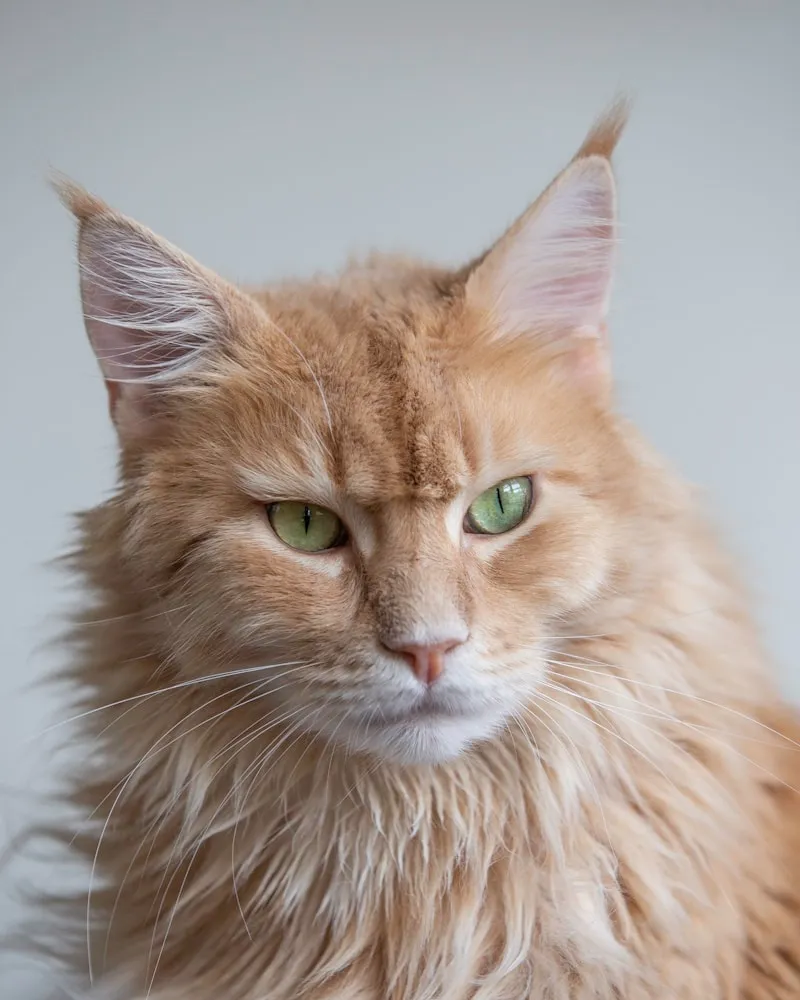
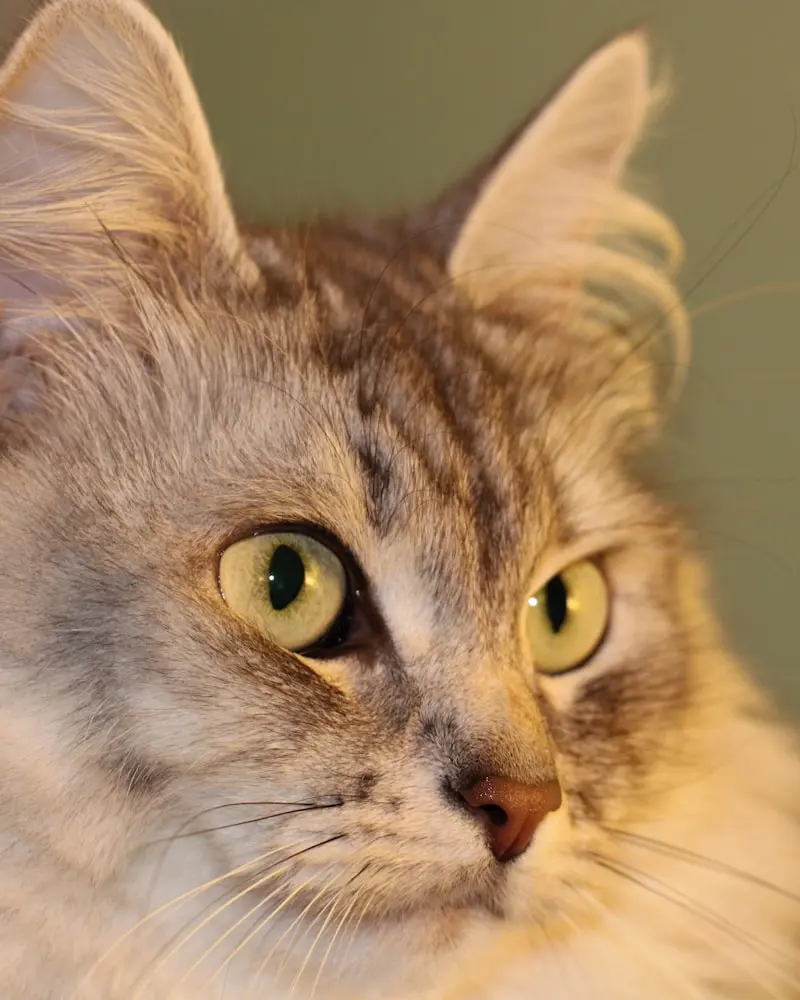
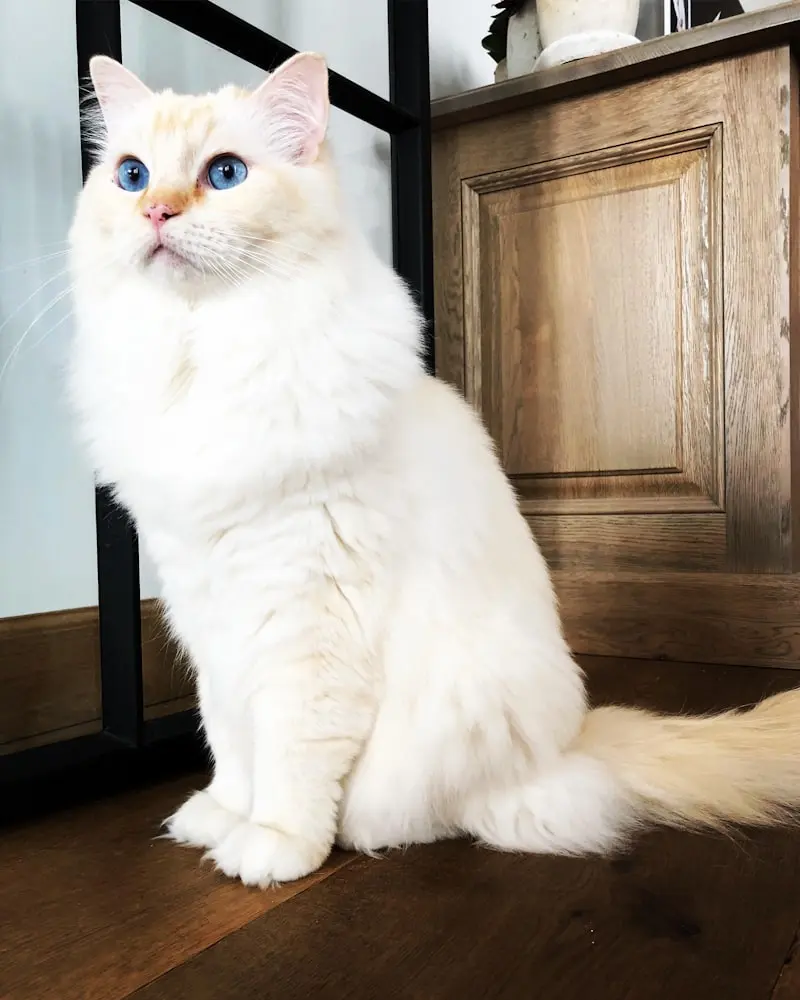
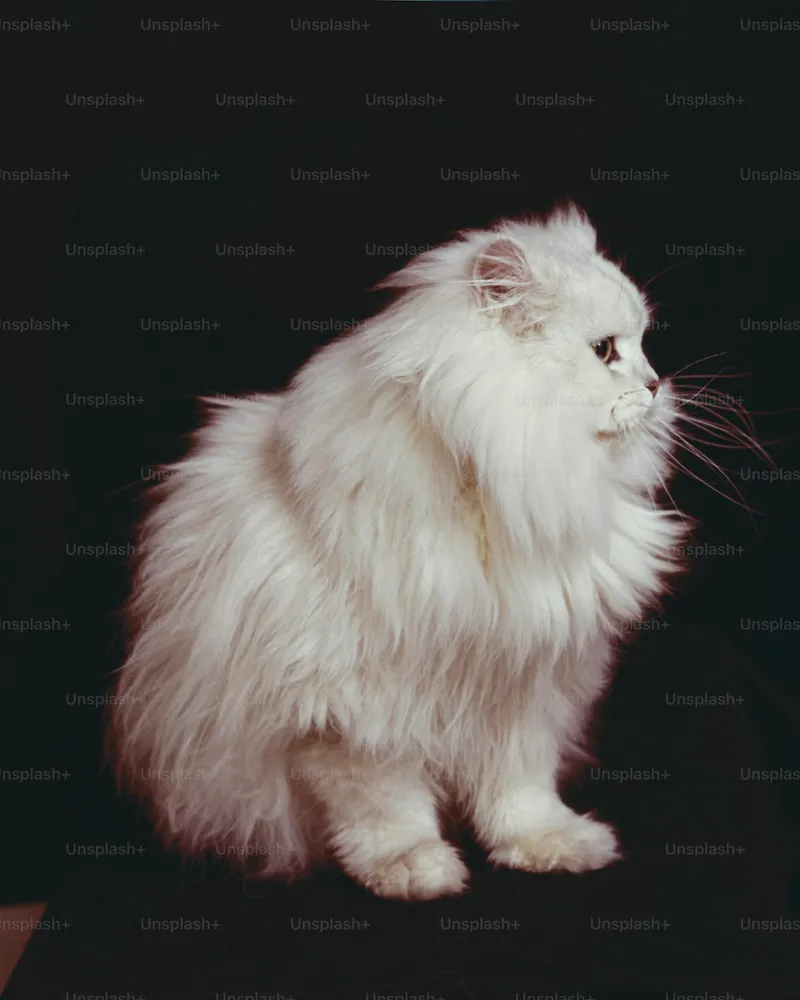
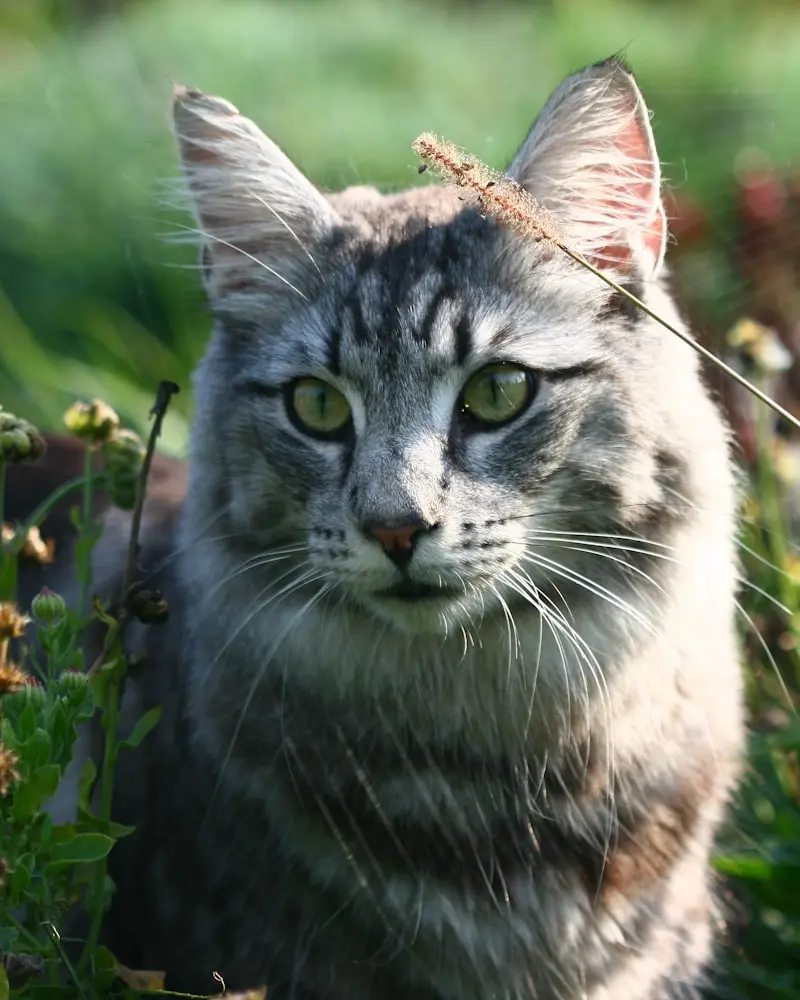
Norwegian Forest Cats' magnificent mane, bushy tail, and tufted ears give them an unmistakable Viking warrior appearance — AI portraits make them look like feline Norse gods.
Viking-Era Fur That Transforms Into Nordic Royalty on Canvas
Vikings kept them. Norse mythology says they pulled the goddess Freya's chariot. The Norwegian Forest Cat — or "Wegie" — is one of the largest domestic breeds, and every inch of that size is amplified by a double coat so thick it was built to survive Scandinavian winters. Tufted ears, a full chin ruff, and a bushy tail that could double as a feather duster. Put this cat in a classical portrait frame and you don't get a pet painting — you get a Nordic king surveying a frozen kingdom. At Pet Canvas, they're among the most visually commanding cat portraits we produce.
📸 Photo Tips for Norwegian Forest Cats
Winter coat only — seriously
Norwegian Forest Cats shed dramatically in spring and summer. Their winter coat is a thick, layered masterpiece: water-resistant guard hairs over dense undercoat, full ruff, pantaloons on the hind legs. Their summer coat? Thin, flat, unremarkable. If you want a portrait that captures what makes this breed special, photograph them between October and March. The difference isn't subtle — it's a different cat.
Don't crop the ear tufts or ruff
Those lynx-like ear tufts and the thick chin ruff are the breed's signature features. Framing too tight cuts them off; framing too loose loses facial detail. Aim for a head-and-chest composition where the full ear tips and ruff are clearly visible. At create.petcanvas.art, we've found this framing produces the most breed-accurate results.
Cool, natural light over warm artificial
These cats evolved under Nordic skies. Cool-toned natural light — an overcast day, a north-facing window — complements their coloring and coat texture. Warm tungsten light flattens the visual depth of that thick double coat. Think: mountain light, not living room lamp.
⚠️ 3 Mistakes to Avoid
Summer coat photos — This is the single biggest mistake. A Norwegian Forest Cat in summer coat looks like a generic longhair. The breed's entire visual identity — thick ruff, ear tufts, fluffy pantaloons — depends on their winter fur. Wait for cold weather or use a winter photo you already have.
Cropping the ear tufts — Those lynx tips are often the first thing people notice. They extend well beyond the ear outline, and tight framing clips them off. Give extra headroom in your photo — the AI preserves what you give it.
Indoor flat lighting — Multiple light sources from different directions flatten the coat's layered texture into a uniform fluff. One directional source creates the micro-shadows between guard hairs and undercoat that give the portrait three-dimensional depth.
Which Styles Work Best for Norwegian Forest Cats?
Ember & Oak is the instinctive first choice — and it works brilliantly. Warm forest tones, natural textures, and an earthy warmth that matches the breed's Viking heritage. It looks like the cat just walked out of a Scandinavian woodland and sat down for a formal portrait.
Caravaggio Twilight brings dramatic depth: the thick coat catches side-light beautifully, and the dark background makes tabby markings and white patches glow. For a more regal interpretation, Royal Velvet frames all that wild fur in aristocratic luxury — the contrast between the untamed coat and the formal setting is electric.
Preview all three for free at Pet Canvas. $29 for the digital portrait — only if you're happy with the result.
Frequently Asked Questions
My Norwegian Forest Cat is a tabby. Does the pattern show in portraits?
Absolutely. Tabby markings — classic, mackerel, or ticked — add another layer of visual interest. The AI renders each stripe and swirl faithfully. Side-lighting makes the pattern more visible through the thick coat, especially in styles like Caravaggio Twilight.
How do I tell a Norwegian Forest Cat from a Maine Coon in portrait terms?
Wegies have a triangular face with a straight nose profile; Maine Coons have a square muzzle with a gentle nose curve. The ear tufts differ too — Norwegian Forest Cats have more pronounced lynx tips. When we photograph these breeds, the face shape is the key differentiator the AI picks up.
My cat's coat is slightly matted. Should I brush before the photo?
Yes, but don't over-groom. You want the coat fluffy and separated, not salon-smooth. A quick brush to remove tangles while keeping natural volume is perfect. The AI needs to see the texture layers — guard hairs over undercoat — to produce that signature wild-but-regal look.
Portraits start at $12.99 — free preview, no subscription. Try it now.
🎨 Recommended Art Styles

Medici Garden
Inspired by Renaissance garden portraits, this style places your pet in a lush botanical setting with warm golden light and rich natural colors.
Twilight Masters
Dramatic chiaroscuro lighting inspired by Caravaggio and Rembrandt, creating deep shadows and luminous highlights for a powerful, moody portrait.
Royal Azure
Deep blue and gold color palette inspired by royal European courts, with rich sapphire tones and gilded accents for a truly majestic portrait.
Intelligent
Our AI analyzes your photo and selects the perfect artistic style automatically, creating a balanced composition that highlights your pet's best features.
Florentine Court
A regal Florentine court setting with ornate architectural backgrounds, velvet drapery, and the grandeur of Italian Renaissance nobility.
Create Your Norwegian Forest Cat Portrait
Upload your Norwegian Forest Cat photo, see your AI portrait preview in 2 minutes. Pay only if you love it.
Digital portrait $9.99 — Free preview
Get Free Previewcreate.petcanvas.art