
Turkish Angora Guide de portrait IA
Photo tips, recommended art styles, and AI portrait guide for your Turkish Angora.
Le saviez-vous ?
Turkish Angoras are one of the oldest natural cat breeds, originating from Ankara, Turkey. Their silky, flowing single-layer coat moves like liquid silk in photographs.
Une soie si fine que la lumière la traverse — l'effet pelage translucide
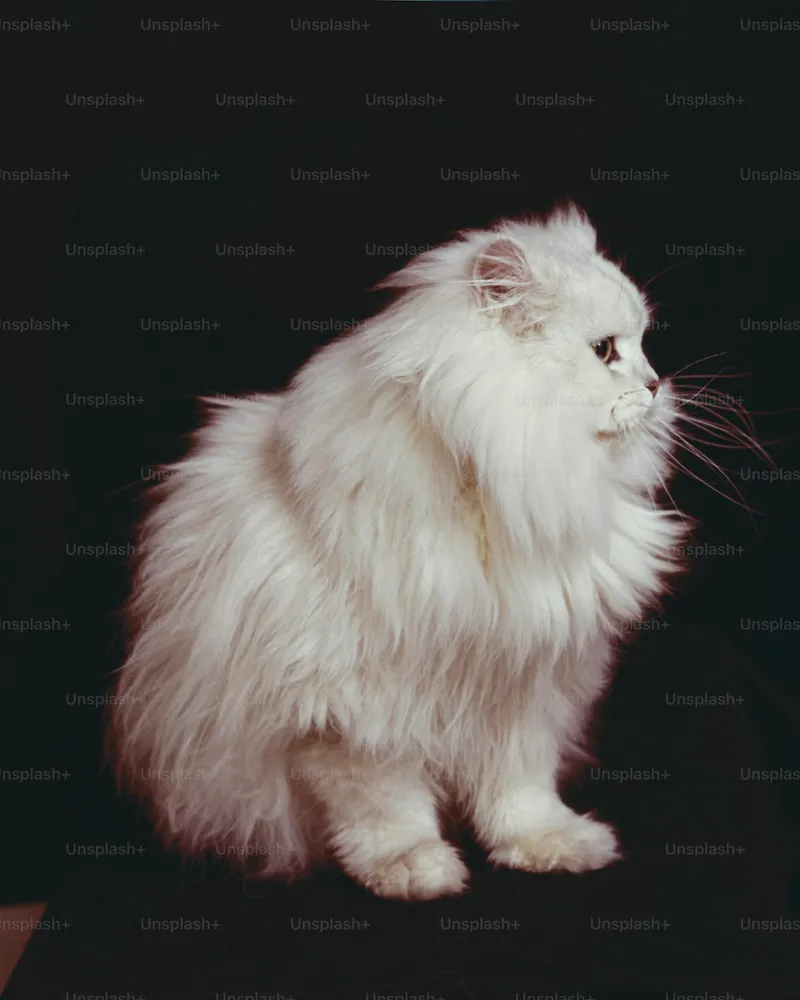
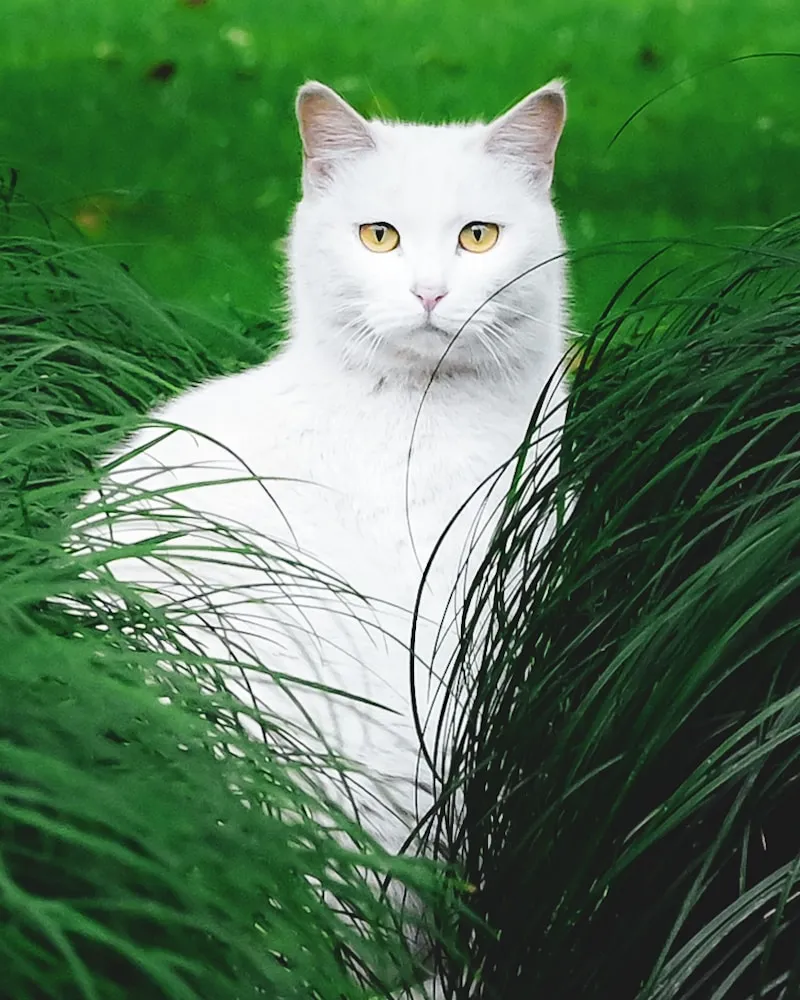
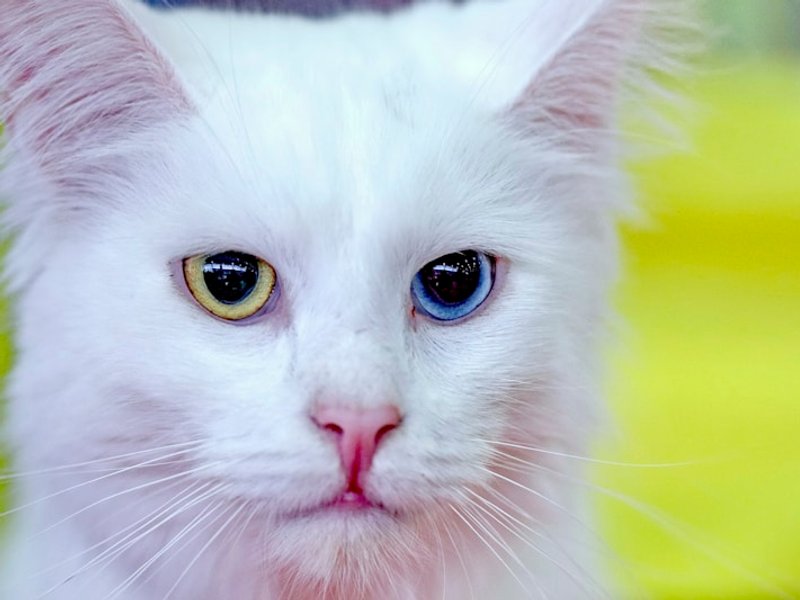
Les Angoras turcs sont des danseurs figés en plein mouvement. Ce pelage soyeux monocouche — pas de sous-poil, rien que de la soie pure — coule et drape comme du tissu, même lorsqu'ils sont assis. Le plus souvent d'un blanc pur avec des yeux vairons (un bleu, un ambre), ils sont le chat le plus éthéré que l'on puisse placer dans un cadre de portrait. L'IA capte la qualité translucide de ce pelage, la façon dont la lumière traverse les poils fins plutôt que de rebondir dessus. Chez Pet Canvas, les portraits d'Angoras turcs possèdent une élégance lumineuse, presque fantomatique, qu'aucune autre race ne reproduit. L'une des plus anciennes races de chats naturelles, elle est prisée dans son pays d'origine depuis des siècles — et cette grâce se traduit directement en art pictural.
📸 Conseils photo pour les Angoras turcs
Sous-exposez légèrement pour les pelages blancs
Les chats blancs sont des pièges à exposition. L'exposition automatique de votre téléphone voit tout ce blanc et compense en assombrissant l'image — ou pire, surexpose jusqu'à un fantôme sans détail. Touchez le visage du chat pour y caler l'exposition, puis baissez le curseur d'un cran. Vous devez voir les brins de poils individuels dans le pelage blanc, pas une masse blanche plate.
De face pour capturer l'hétérochromie
Si votre Angora a les yeux vairons (un bleu, un ambre), les deux yeux doivent être également visibles. Cela signifie photographier de face ou avec un très léger angle. Les prises de profil ou les trois quarts prononcés cachent un œil — et cacher un œil chez un chat aux yeux vairons gâche la caractéristique la plus dramatique de la race.
Fond sombre ou coloré — jamais blanc
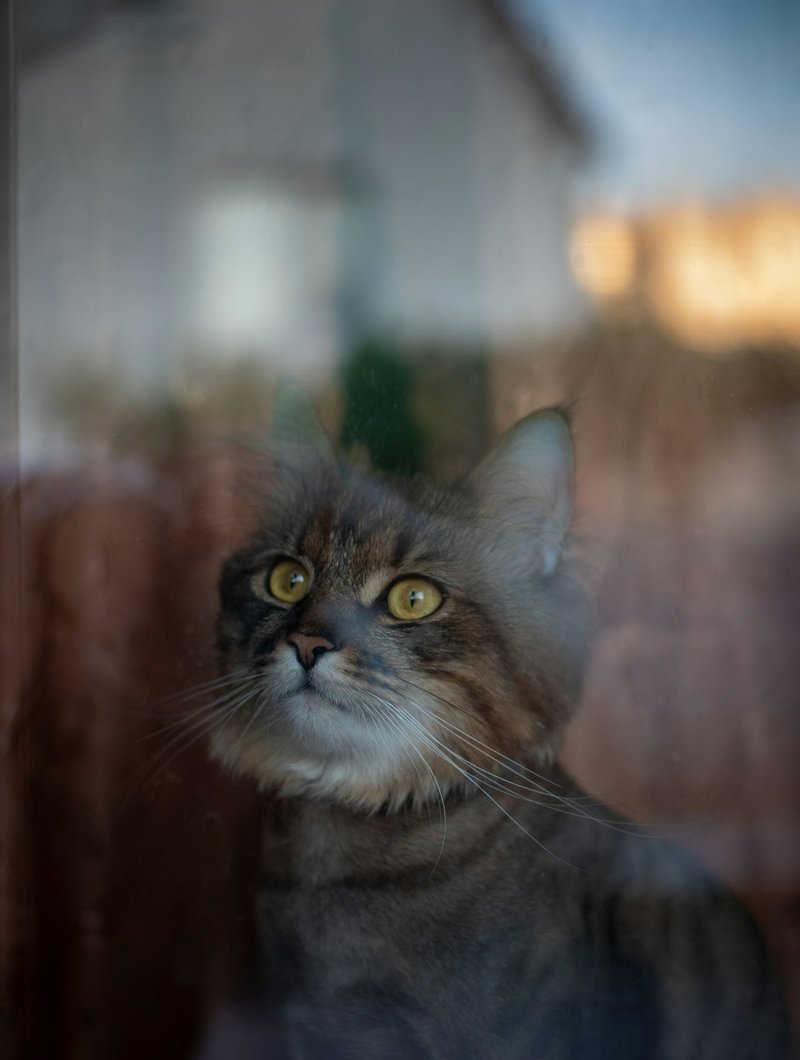
Chat blanc sur mur blanc égale chat invisible. L'IA a besoin de contraste de contour pour séparer le pelage du fond. Un canapé sombre, une couverture colorée, même une table en bois — tout ce qui fait ressortir ce pelage blanc soyeux. Plus le contraste de fond est fort, plus le portrait capture de détails du pelage.
⚠️ 3 erreurs à éviter
Pelage blanc surexposé — Un pelage blanc brûlé devient une forme plate et sans détail. L'IA ne peut pas peindre de la texture qu'elle ne voit pas. Si la fourrure ressemble à une tache blanche uniforme sur votre photo, réduisez l'exposition jusqu'à ce que les poils individuels réapparaissent.
Oublier l'hétérochromie — Les Angoras aux yeux vairons sont extraordinaires, mais un mauvais angle de prise de vue cache un œil. Photographiez toujours de face. Si votre chat a les deux yeux de la même couleur, cela ne s'applique pas — mais pour les chats aux yeux vairons, c'est la différence entre un bon portrait et un portrait exceptionnel.
Blanc sur blanc — Murs blancs, draps blancs, sols blancs. Le pelage se fond dans le fond et l'IA perd le contour. Placez toujours un Angora blanc devant quelque chose de sombre ou de fortement coloré.
🎨 Meilleurs styles pour les Angoras turcs
Les Angoras blancs sont des toiles vierges qui absorbent l'ambiance de n'importe quel style — mais certains sont électrisants. Royal Azure associe ce pelage blanc pur à des tons bleu profond qui font écho à l'œil bleu, créant une élégance monochromatique à couper le souffle. Caravaggio Twilight est là que la magie opère : un chat blanc émergeant de l'obscurité totale, éclairé par une seule source, chaque brin de soie captant la lumière. Pour la voie aristocratique, The Aristocrat encadre votre Angora dans un décor formel et digne qui correspond au pedigree séculaire de la race.
Essayez-les tous avec l'aperçu gratuit sur create.petcanvas.art — pas de paiement tant que le résultat ne vous plaît pas. $19.99 pour le fichier numérique.
Questions fréquentes
Mon Angora turc n'est pas blanc — le portrait fonctionnera-t-il quand même ?
Absolument. Si le blanc est la couleur classique, les Angoras existent en noir, bleu, roux, crème et motifs tabby. Les Angoras non blancs sont en fait plus faciles à photographier (pas de problème d'exposition) et produisent des portraits magnifiques. Le pelage soyeux monocouche est superbe dans toutes les couleurs.
En quoi l'Angora turc diffère-t-il du Turc de Van en portrait ?
Les Angoras ont un pelage fin et soyeux qui drape comme du tissu. Les Vans ont un pelage mi-long plus texturé. Les Angoras sont généralement d'une couleur unie (souvent tout blanc), tandis que les Vans arborent le motif distinctif « couleur uniquement sur la tête et la queue ». En portrait, les Angoras ont une qualité plus douce et éthérée ; les Vans offrent un contraste plus marqué.
Mon Angora refuse de poser pour les photos. Un conseil ?
C'est l'une des races les plus actives — rester immobile n'est pas leur fort. Utilisez le mode rafale en lumière naturelle vive et saisissez-les pendant de brèves pauses : perchés en hauteur, observant les oiseaux par la fenêtre, ou juste après un saut. Ces fenêtres de 2-3 secondes produisent les meilleures expressions.
Portraits à partir de $19.99 — aperçu gratuit, sans abonnement. Essayez maintenant.
🎨 Styles artistiques recommandés
Sélection Intelligente
Notre IA analyse votre photo et sélectionne automatiquement le style artistique parfait, créant une composition équilibrée qui met en valeur les meilleures caractéristiques de votre animal.
Azur Royal
Palette de couleurs bleu profond et or inspirée des cours royales européennes, avec de riches tons saphir et des accents dorés pour un portrait véritablement majestueux.
Cour Florentine
Un cadre de cour florentine majestueux avec des arrière-plans architecturaux ornés, des draperies de velours et la grandeur de la noblesse de la Renaissance italienne.
Maîtres du Crépuscule
Un éclairage clair-obscur dramatique inspiré du Caravage et de Rembrandt, créant des ombres profondes et des reflets lumineux pour un portrait puissant et atmosphérique.
Cour Pastel
Des tons pastel doux rencontrent l'élégance royale dans ce style onirique qui confère à votre animal une qualité douce et éthérée rappelant les portraits rococo.
Créez votre portrait de Turkish Angora
Téléchargez votre photo de Turkish Angora, voyez votre aperçu de portrait IA en 2 minutes. Payez uniquement si vous l'aimez.
Portrait numérique 9,99 $ — Aperçu gratuit
Obtenir un aperçu gratuitcreate.petcanvas.art